







India’s Steel Capacity Reaches 222 Million Tonnes as Expansion Projects Gather Pace24 July 2026
India’s crude steelmaking capacity reached approximately 222 million tonnes per annum as of June 2026, according to the Ministry of Steel, as the country’s steel industry continues to expand production capacity and invest in new projects.
The latest capacity figure puts India closer to its National Steel Policy target of 300 million tonnes of crude steel capacity by 2030.
Steel production has continued to rise alongside capacity additions. During April-June 2026, crude steel production increased compared with the corresponding period of the previous year, while finished steel production also recorded growth.
Several large projects are contributing to the expansion of India’s steelmaking base.
Bhilai Steel Plant is moving ahead with its expansion from 7 MTPA to 10.2 MTPA. The plant has signed an EPCM consultancy agreement with MECON to support execution of the expansion programme.
At the same time, private-sector steel companies are pursuing large greenfield and brownfield projects across Odisha, Andhra Pradesh, Chhattisgarh and other industrial regions.
JSW Steel has commenced work on its proposed integrated steel plant at Paradeep in Odisha, while other producers are also expanding existing facilities and developing new capacity.
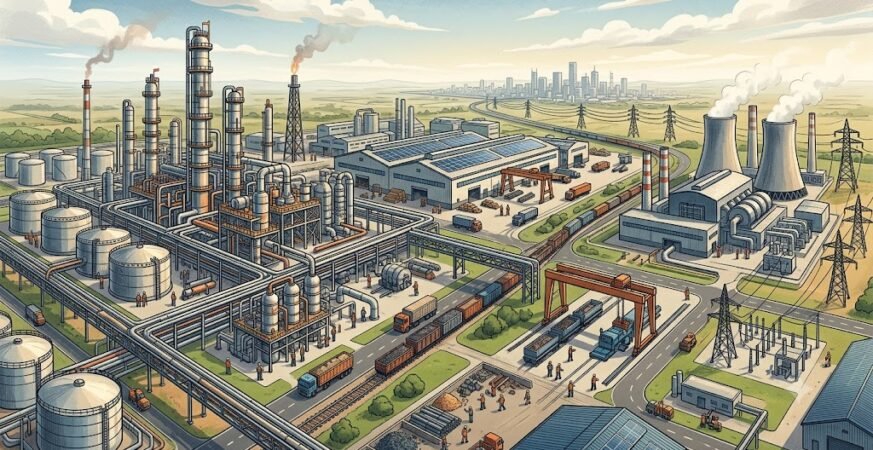
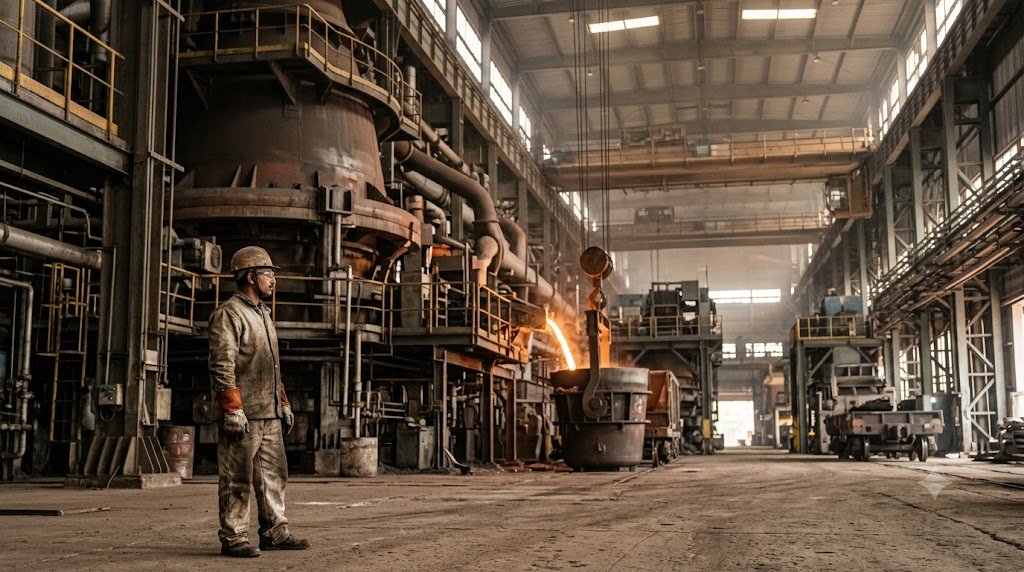
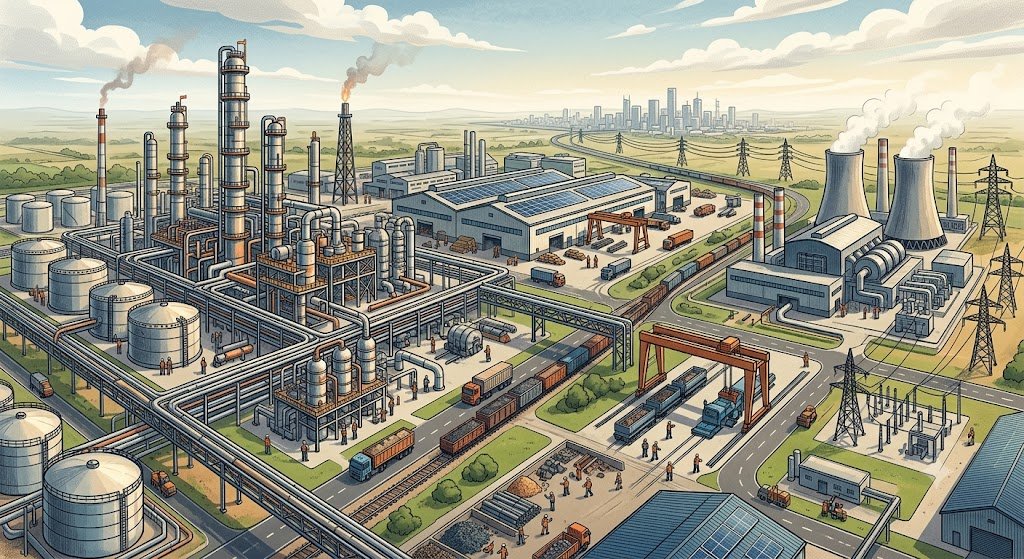
The growth in steel capacity is accompanied by investment in supporting infrastructure. Large integrated steel plants require coke ovens, sinter plants, blast furnaces or alternative ironmaking facilities, steel melting shops, rolling mills, material handling systems, utilities, water treatment, power systems and extensive internal logistics.
The expansion cycle is therefore creating demand across a broad industrial supply chain.
Equipment manufacturers, engineering companies, EPC contractors and technology suppliers are expected to participate in projects covering mechanical equipment, electrical systems, automation, instrumentation, piping, valves, pumps, material handling and environmental systems.
The Ministry of Steel has also highlighted the growing importance of technology and sustainability in new steel projects, including greater use of energy-efficient processes and measures to reduce emissions.
India’s steel sector is expected to remain an important source of industrial investment as producers work towards increasing capacity while modernising existing plants.
With several major projects now moving from planning towards execution, engineering, construction and commissioning activity is expected to remain strong across the steel industry over the coming years.
gayatripunethaoutlook-com
- September 4, 2026
- 0 Comments
- 1 Views
-