When critical equipment fails unexpectedly, the maintenance team may need a spare immediately.
Normal procurement timelines disappear.
Production pressure increases.
Suppliers are contacted urgently.
Transport may need to be expedited.
This is when procurement risk is often highest.
Under emergency conditions, there is pressure to accept the first available part.
But compatibility still has to be verified.
Incorrect material, dimensions, rating or specification can turn an urgent purchase into a second problem.
Fast procurement still requires technical control.
Plants that maintain a strong supplier base before emergencies occur can respond much faster.
Approved suppliers already have:
This reduces the amount of work needed during a breakdown.
Emergency sourcing becomes difficult when plant records are incomplete.
Procurement teams may need:
Accurate master data can save hours during an urgent requirement.
Urgency can push buyers toward unfamiliar supply channels.
That increases the risk of receiving:
Critical items should therefore still be verified despite time pressure.
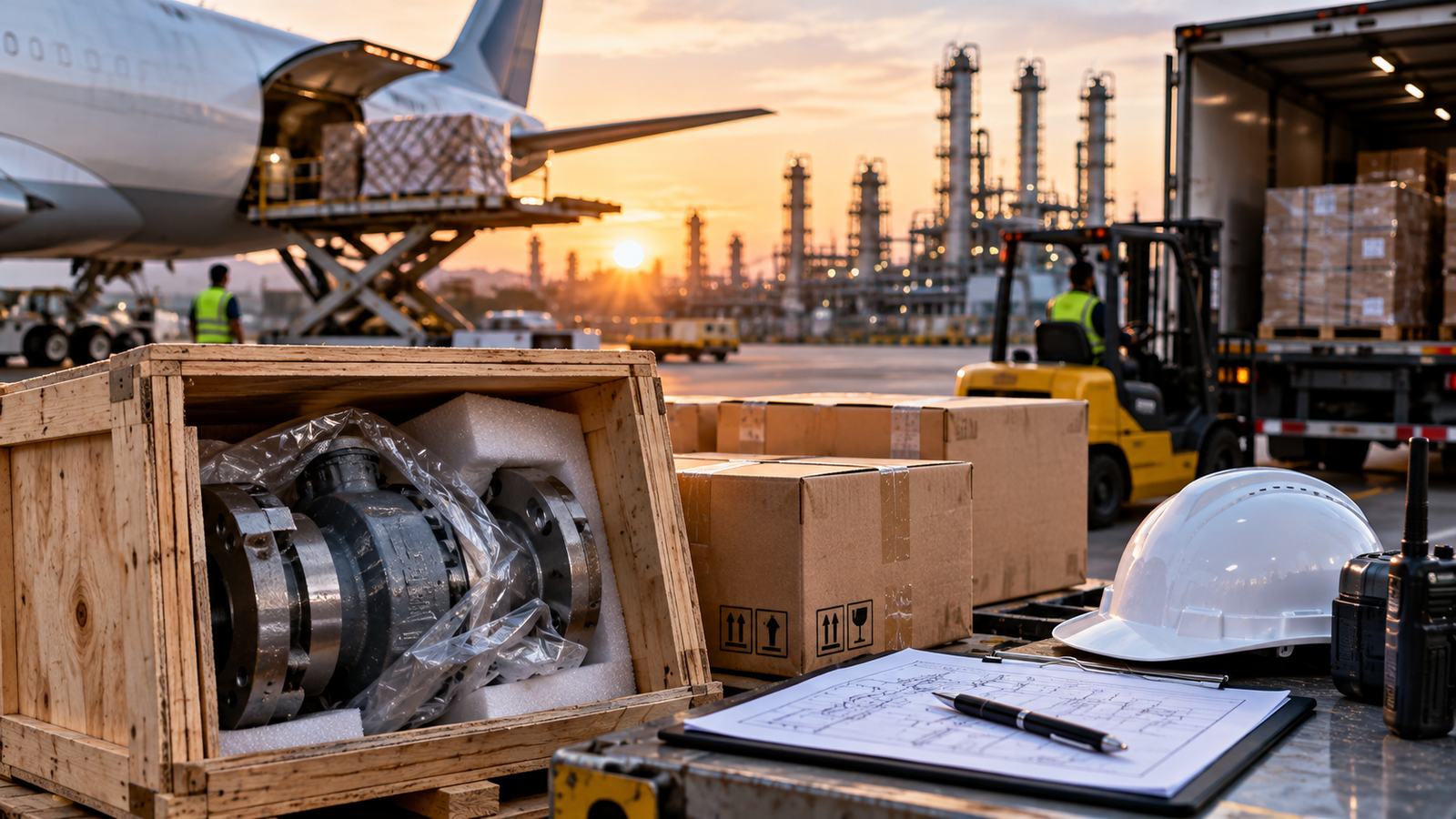
Sometimes the spare exists, but getting it to the plant is the main challenge.
Emergency procurement may involve:
Procurement and logistics teams therefore need to work together closely.
Emergency purchases work best when teams share information quickly.
Maintenance defines the technical requirement.
Stores confirm whether alternatives already exist.
Procurement searches the market.
Engineering verifies substitutions where necessary.
Delays increase when these activities happen independently.
The best emergency procurement process begins before the emergency.
Critical-spares analysis, approved suppliers, accurate records and obsolescence planning all reduce the number of situations where the plant has to source a critical component from scratch under breakdown pressure.