Industrial plants often become more complex over time.
New equipment is added, different suppliers are introduced and plant modifications bring additional brands and specifications.
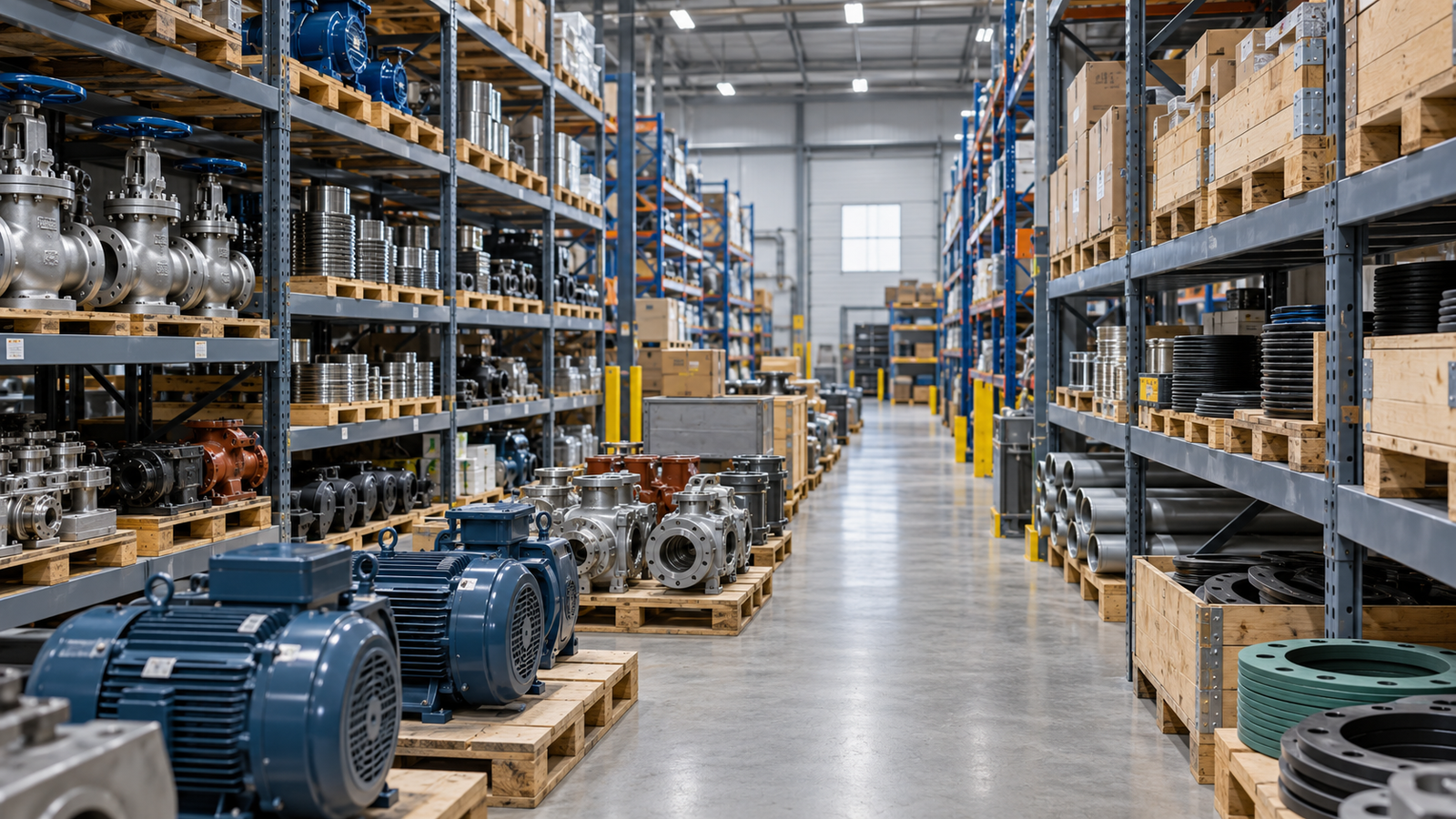
Eventually, the stores may contain several technically similar components that serve almost the same purpose.
Spare-part standardisation aims to reduce unnecessary variety.
Multiple versions of similar components can create problems such as:
Reducing unnecessary variants can simplify maintenance support.
If several equipment items can use the same spare, the plant may need to stock fewer individual parts.
For example, standardising selected motors, bearings, seals or instruments can improve interchangeability.
This can reduce both inventory quantity and emergency sourcing risk.
Technicians become more familiar with equipment that follows common standards.
Fewer variants can make:
This can improve maintenance execution as well as inventory efficiency.
Standardisation may also reduce the number of suppliers required for similar items.
That can create:
However, supplier consolidation should not create unnecessary dependency.
Standardisation should never force unlike services into one specification.
Different operating temperatures, pressures, materials or hazardous-area requirements may require different components.
The objective is to eliminate unnecessary variation, not technically justified variation.
It is easier to control spare diversity when new equipment is selected.
Engineering and procurement teams should therefore review whether proposed components align with existing plant standards.
Otherwise every project can introduce new variants into the stores.
Spare-part standardisation can reduce inventory, simplify maintenance and improve purchasing efficiency.
But it should always remain subordinate to the actual technical needs of the equipment and service.