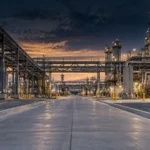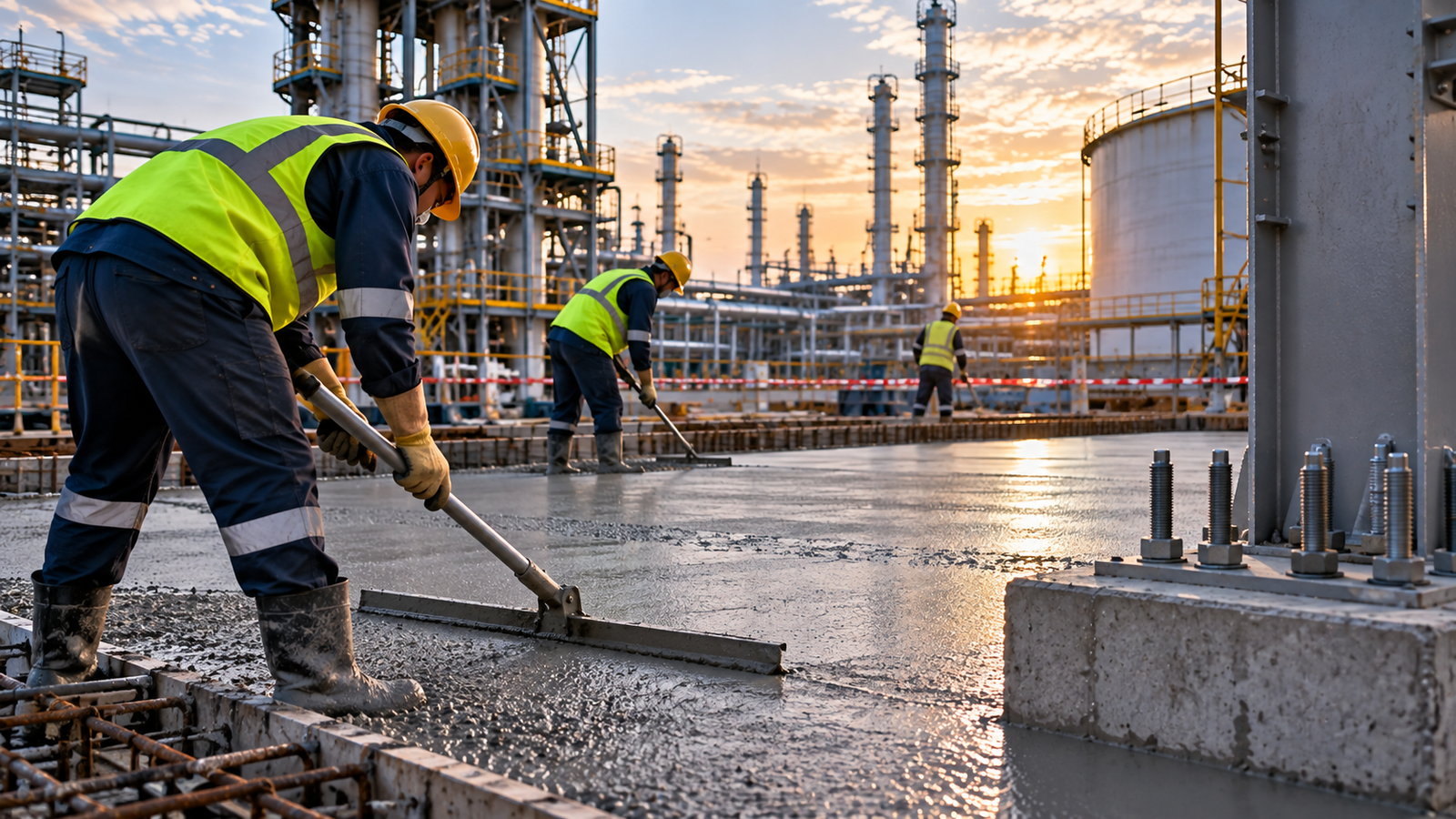
Concrete is everywhere in industrial plants.
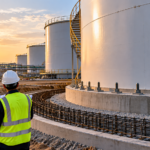
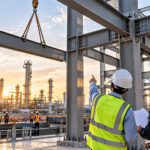
It forms foundations, equipment pedestals, trenches, floors, bunds, structures and many other supporting systems.
But industrial concrete often faces conditions far more demanding than ordinary building construction.
Concrete may be exposed to:
These conditions can affect durability over time.
Some plant areas handle acids, alkalis or other aggressive materials.
If concrete is exposed directly, deterioration can occur.
Protective coatings, liners or specialised concrete systems may therefore be required.
Concrete naturally develops some cracking, but industrial environments can make cracks more significant.
Cracks may allow water or chemicals to reach reinforcement.
That can accelerate corrosion and further deterioration.
Crack control therefore becomes part of durability design.
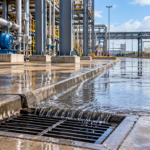
Plant floors and bunds often need to handle spills, wash water and rainwater.
Poor drainage can leave liquids standing on the concrete surface.
Appropriate slopes, drains and containment arrangements can therefore improve durability as well as plant housekeeping.
Equipment foundations may subject concrete to repeated vibration.
Poor detailing or inadequate stiffness can lead to cracking or movement.
This makes concrete quality and reinforcement detailing especially important around rotating equipment.
Concrete may appear simple compared with process equipment.
But when foundations, trenches or structural elements deteriorate, repairs can be difficult and disruptive.
Good civil design therefore considers not only initial strength, but how the concrete will perform in the actual plant environment for years.