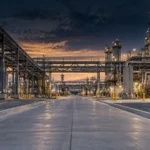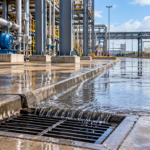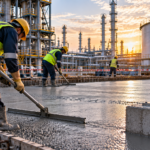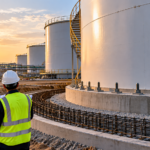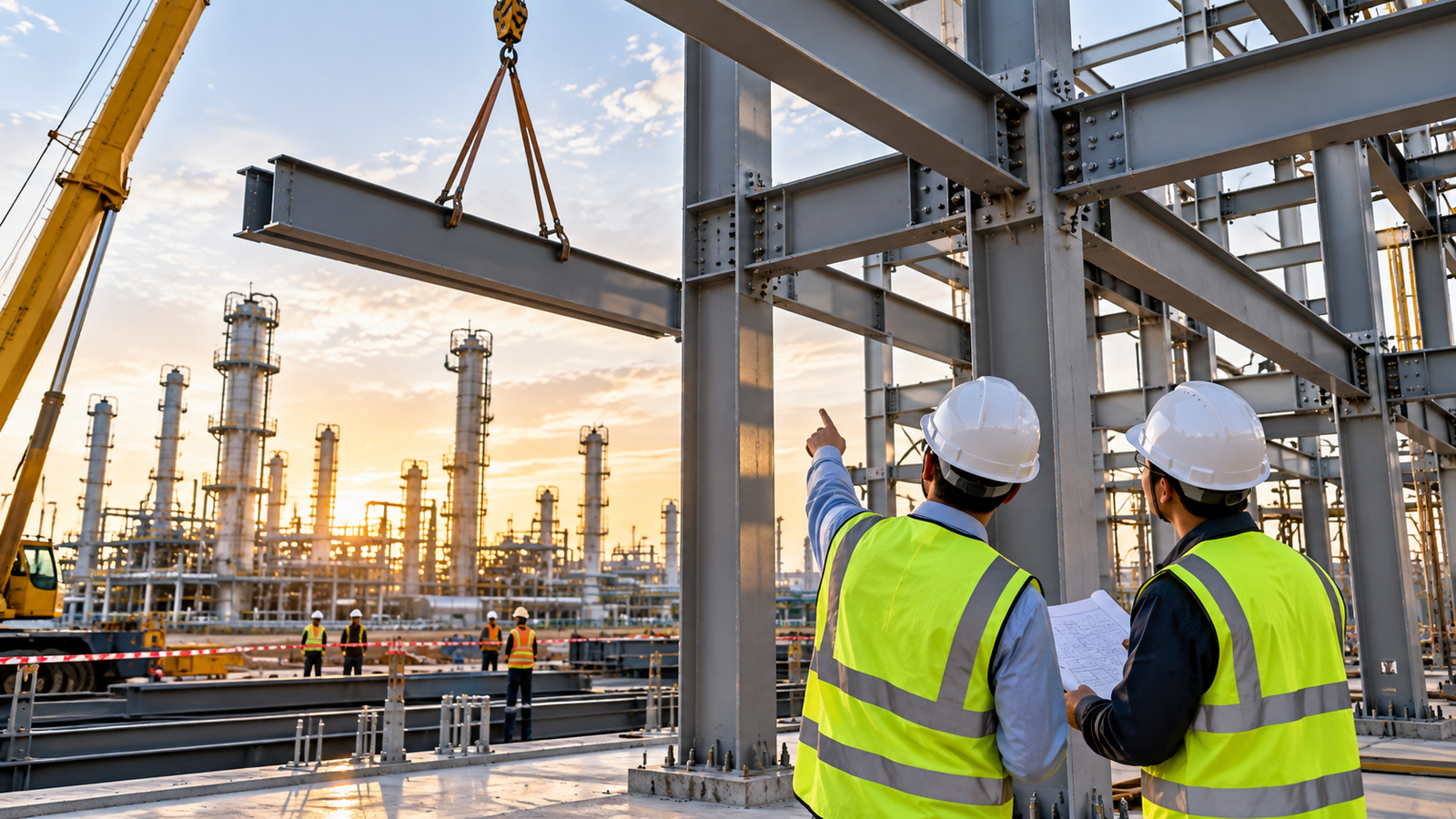
Structural steel supports much of the physical framework of an industrial plant.
It carries equipment, pipe racks, platforms, buildings and other plant systems.
Unlike many conventional buildings, industrial steel structures often have to accommodate highly concentrated equipment loads and frequent modifications.
Structural steel may need to support:
These loads may act in different directions and at different times.
Heavy equipment can create concentrated loads on beams and columns.
Rotating equipment may add dynamic effects.
Large vessels or exchangers can also require substantial support structures.
The steel system therefore has to be designed around the actual plant arrangement.
Industrial facilities are frequently modified.
New pipes, platforms, cable trays or equipment may be added.
These changes can increase structural loads.
Understanding available structural capacity therefore becomes important during plant modifications.
A steel frame is only as effective as its connections.
Bolted and welded connections transfer forces between beams, columns and bracing systems.
Connection detailing also affects constructability and future modification.
Industrial environments can be aggressive.
Moisture, chemicals, coastal exposure or high temperatures may affect steel durability.
Protective coatings and appropriate material strategies therefore become part of long-term structural performance.
The goal is not simply to create a frame strong enough to stand.
Industrial structural steel has to support equipment, access, piping and future plant needs in a practical way.