People | Processes | Performance
inside the industrial plant

Day: September 21, 2026

Electrical

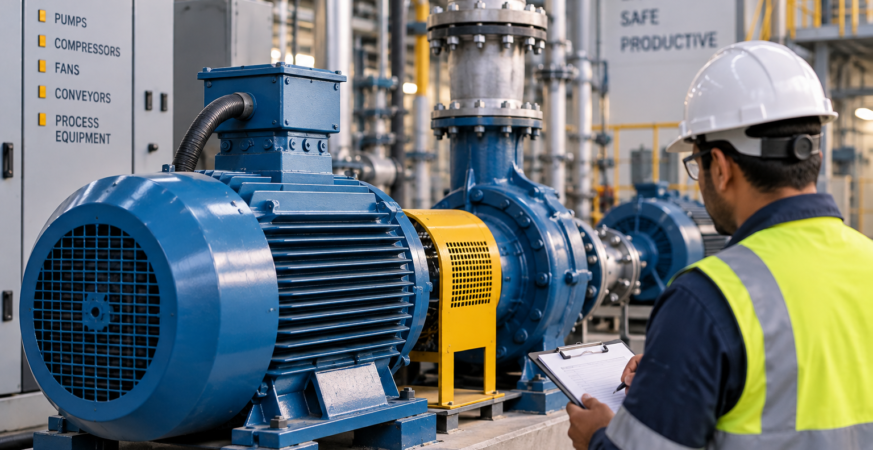
Industrial Motors: Matching the Motor to the Application

Electric motors drive much of the moving equipment inside industrial plants. Pumps, fans, compressors, conveyors, blowers and many other machines depend on motors for mechanical power. Because motors are so common, they can appear straightforward. In practice, selecting the right motor requires an understanding of both the electrical supply and the mechanical duty. Start With […]

Electrical

Power Distribution in Industrial Plants: From Incoming Supply to the Equipment

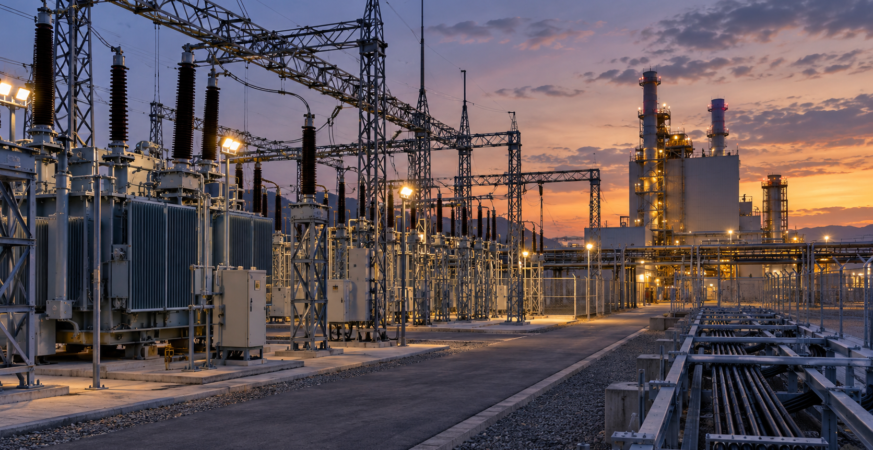
An industrial plant may receive power at high voltage, but that power has to pass through several stages before it reaches a motor, heater, panel or utility system. That journey usually involves substations, transformers, switchgear, distribution boards and cabling. The objective is not simply to deliver electricity. The system has to distribute power safely, reliably […]

Equipments

Pumps in Process Plants: Matching Pump Type to the Service

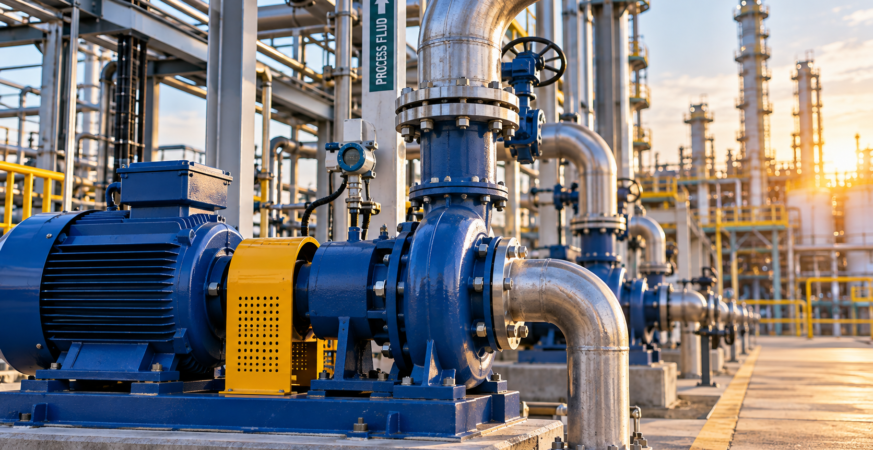
Pumps are among the most widely used pieces of rotating equipment in industrial plants. They move cooling water, hydrocarbons, chemicals, condensate, boiler feedwater and countless other fluids between different parts of the process. Yet specifying a pump is not simply a matter of knowing the required flow rate. The fluid, pressure requirement, operating range and […]

Equipments

Rotating and Static Equipment: Why Their Engineering Priorities Differ

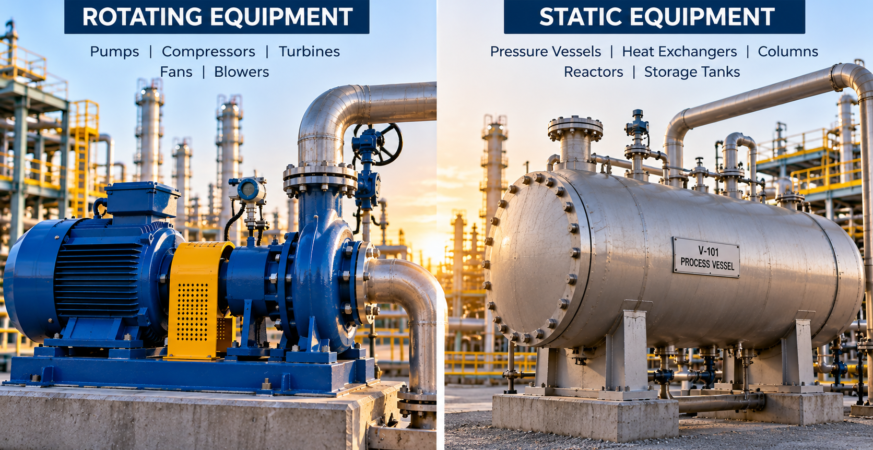
Industrial plants contain a huge variety of equipment, but one useful broad distinction is between rotating equipment and static equipment. Rotating equipment contains moving components that perform mechanical work. Static equipment generally performs its duty without major rotating machinery. Both are essential, but their engineering priorities can differ significantly. Rotating Equipment Typical rotating equipment includes: […]

Equipments

Columns and Towers: Understanding the Hardware Behind Separation

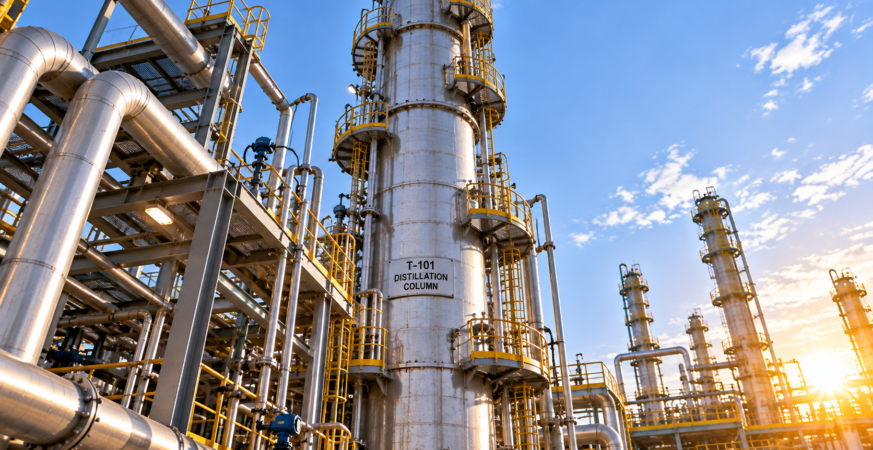
Many process industries need to separate mixtures into different components. Distillation columns, absorbers, strippers and other towers provide the physical equipment in which many of these separations take place. The process determines what separation is required. The equipment then has to provide the environment in which that separation can occur reliably. The Column Is More […]

Equipments

Pressure Vessels: How Design Conditions Shape the Equipment

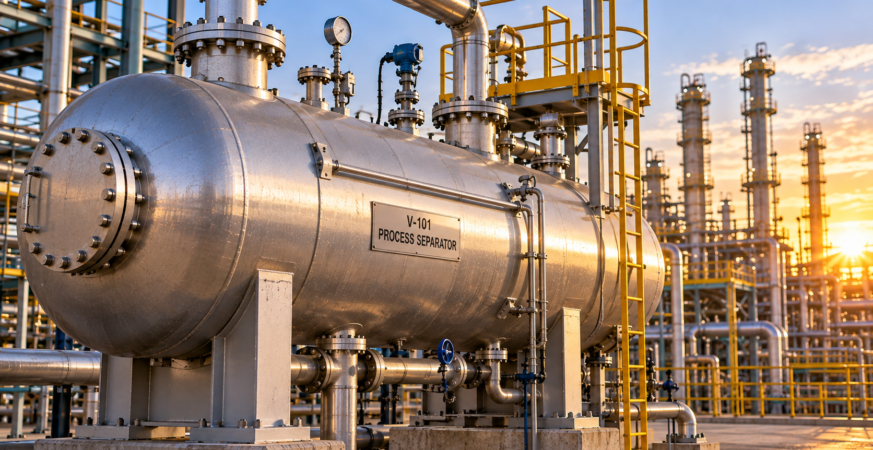
Pressure vessels are found throughout industrial plants as separators, drums, receivers and other process equipment. At first glance, their function may appear simple: contain a fluid under specified conditions. In reality, vessel design brings together pressure, temperature, materials, process requirements, internal components and access for inspection and operation. Design Conditions Come First A vessel needs […]

Equipments

Compressors: Why Gas Service Changes the Equipment Decision

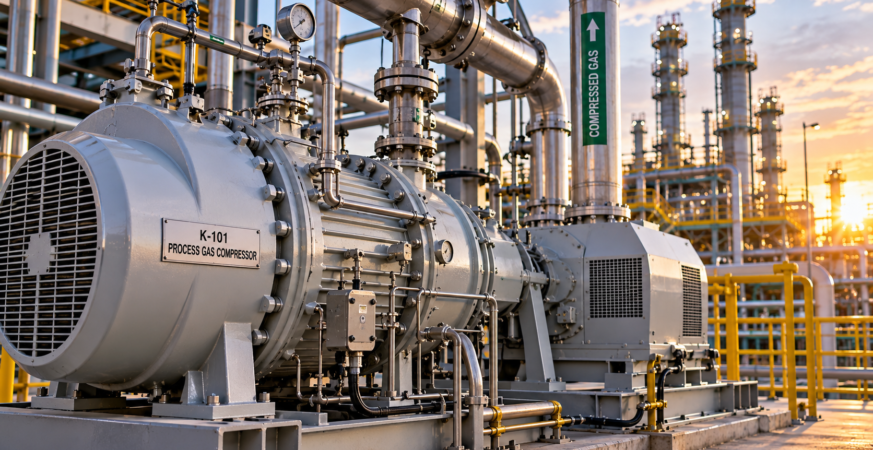
Compressors perform a role for gases that is broadly comparable to the role pumps perform for liquids: they increase pressure and move the process fluid through the system. But gas compression introduces its own engineering challenges. Gases change density significantly as pressure and temperature change, and compression itself generates heat. This makes compressor selection closely […]

Equipments

Heat Exchangers: Choosing the Right Configuration for the Duty

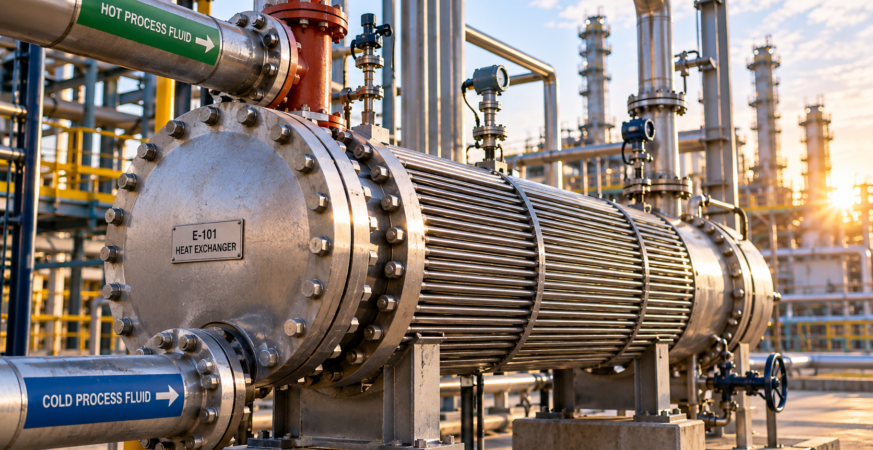
Heat exchangers allow industrial plants to transfer heat from one fluid to another without necessarily mixing the two streams. They are used for heating, cooling, condensing, vaporising and recovering energy throughout process plants. But “heat exchanger” describes a broad family of equipment. The appropriate configuration depends on much more than the amount of heat that […]

Instrumentation

From Field Instrument to Control Room: How Process Information Travels Through the Plant

An operator in a control room may see thousands of process values on screens. Pressure. Temperature. Flow. Level. Valve position. Equipment status. But each value begins somewhere in the physical plant. Understanding how information travels from the field to the control room helps explain how instrumentation and control systems work together. It Begins With the […]

Instrumentation

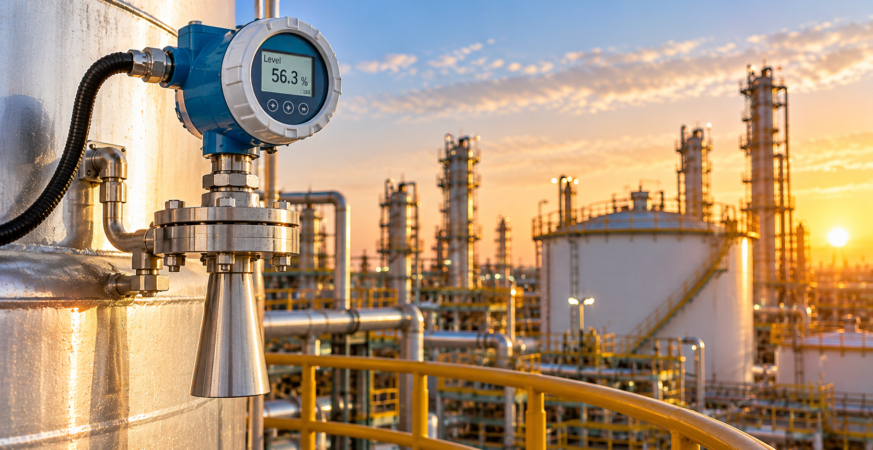
Level Measurement in Industrial Vessels: Understanding the Application First

Measuring the amount of material inside a vessel can sound straightforward. In practice, level measurement can become complex. Foam, vapour, pressure, temperature, turbulence, vessel geometry and changing fluid properties can all influence the measurement. The first step is therefore not choosing an instrument. It is understanding what is happening inside the vessel. What Needs to […]

People | Processes | Performance

inside the industrial plant 

© 2026 The Plant Insider. All rights reserved.